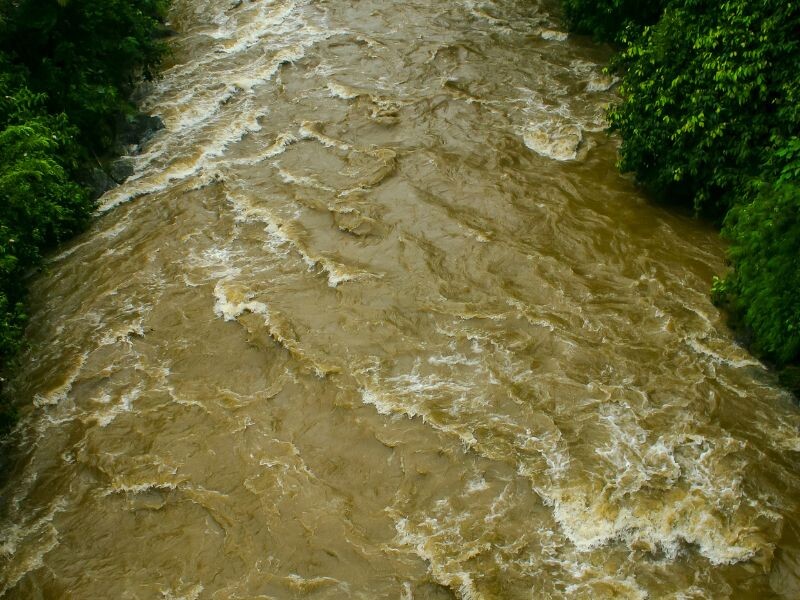
If you’ve worked or lived in Far North Queensland or Northern NSW, you know the weather can change in an instant. One minute it’s calm and sunny — the next, roads are closed, the power’s out, and there’s water running across major corridors.
Welcome to cyclone season.
From November through to April, the East Coast braces for unpredictable conditions. For traffic control teams like ours, this time of year demands more than just wet-weather gear — it takes forward planning, fast mobilisation and a deep understanding of how to keep people safe in dynamic environments.
Here’s how East Coast Traffic Control stays ready to respond when the storms roll in.
Planning ahead before the rain hits
Preparation starts long before the BOM issues a warning.
Our depots in Cairns, Townsville, Mackay, Rockhampton and Northern NSW stay in regular contact with clients, councils and emergency services to identify:
- High-risk roads and flood-prone zones
- Known event sites (levee works, bridge repairs, regional access roads)
- Critical infrastructure (water, power, health access)
- Detour options for isolation-prone communities
We also make sure all VMS boards, signage trailers and vehicles are checked, serviced and ready to deploy at short notice — day or night.
Flexible crews across the region
Cyclones don’t follow schedules — so neither can we.
Our strength lies in our regional network and scalable workforce. When a weather event looms, we’re able to:
- Reposition crews in high-risk areas ahead of time
- Mobilise backup teams from neighbouring depots
- Cover multiple closures or detours at once
- Support emergency works and utility access
Whether it’s a full road closure near Innisfail, a fallen tree in Gympie, or a detour to keep locals safe from rising creeks in Lismore — our teams are trained to adapt quickly and respond professionally.
Working closely with councils and first responders
When the weather turns, councils and emergency crews are flat out. That’s why they need traffic control they can trust — not just for the job, but for the conditions.
We work hand-in-hand with:
- Local Disaster Management Groups
- Police and fire services
- Utility companies
- SES and emergency response contractors
- Council work crews and road engineers
Our crews don’t just follow instructions — they actively assist in maintaining public safety, keeping access clear, and helping restore road networks as soon as it’s safe to do so.
Safety doesn’t stop in the rain
Working in wet, windy, and unstable environments brings a new level of risk. We never forget that every person on-site still deserves to go home safe — no matter how chaotic things get.
That’s why during cyclone season, we increase our safety protocols:
- Extra pre-start checks before each shift
- Wet weather PPE and lighting
- Fatigue management and crew rotation
- On-call support from Area Managers and Operations
- Close tracking of BOM updates and live alerts
There’s no cutting corners just because conditions are tough. In fact, that’s when good traffic control matters most.
Supporting recovery after the storm
Once the storm passes, the real work begins.
We’re often called in to support:
- Flood debris clean-ups
- Bridge and culvert inspections
- Landslip repairs and road reseals
- Power line and Telstra access
- Insurance assessments and building inspections
These works are often time-critical, with multiple contractors trying to access the same space. Our crews help manage site access, keep traffic flowing, and support the recovery effort while keeping the public out of harm’s way.
A local presence that makes a difference
Because we’re already embedded in the communities we serve — with depots across QLD and NSW — we don’t have to “arrive” when disaster hits. We’re already there.
That means faster response, local knowledge, and crews who know how to work calmly and professionally even when things get messy.
FAQs
What kind of traffic control is needed during cyclone season?
Road closures, detours, lane blocks, pedestrian redirection, and emergency access management — often set up with very little notice.
How do you keep your crews safe in extreme weather?
Through PPE, supervisor support, weather briefings, and strict protocols for wind, rain and flooded zones. We don’t operate in unsafe conditions.
Do you work with councils during natural disasters?
Yes. We regularly support local councils and their disaster response teams with road safety, closures, detours, and access for emergency crews.
Are your services available 24/7 during cyclone events?
Absolutely. Our operations team is on call, and we maintain crews who can be mobilised day or night during severe weather events.
What areas do you cover?
Far North QLD, Central QLD, Northern Rivers NSW, Mid North Coast NSW and surrounding regions.