Traffic Control in Townsville: What Builders Need to Know
You’re managing a build in Townsville. The site’s busy. Traffic’s moving past. You need traffic control sorted, but you’re not sure what’s required or who handles it.
Proper traffic control isn’t optional. It’s a legal requirement on most construction sites in Queensland. Get it wrong and you face fines, delays, or worse. Get it right and your site runs smoother, your team stays safer, and inspectors have nothing to pull you up on.
We’ve worked with hundreds of builders across North Queensland. Traffic control comes up constantly. Most don’t realise how much it affects their whole operation. This guide covers what you actually need to know to get traffic control right in Townsville.
Why Traffic Control Matters on Townsville Construction Sites
Traffic control isn’t just about stopping cars. It’s about protecting your crew, the public, and your project timeline.
When traffic flows safely around your site, your workers focus on their jobs instead of watching for vehicles. That’s productivity. When pedestrians and drivers know where to go, you avoid complaints and delays. When you follow the rules, you avoid costly fines and project shutdowns.
Townsville’s roads are busy. You’ve got the Bruce Highway running through, local traffic, and seasonal peaks during peak construction months. Add roadworks, lane closures, or temporary traffic changes, and things get complicated fast. A single accident or near-miss can shut your site down for days while authorities investigate.
We’ve seen builders lose weeks of schedule because traffic control wasn’t done properly. Insurance claims follow. Reputations take hits. The cost of getting it right upfront is tiny compared to that fallout.
What Traffic Control Requirements Apply to Your Townsville Build
You need traffic control if your site affects public roads or footpaths. That covers most construction in Townsville.
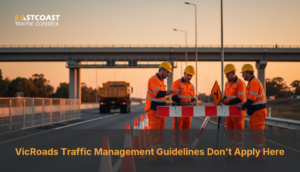
Queensland law requires you to follow the Manual of Uniform Traffic Control Devices (MUTCD). This sets out exactly what signs, barriers, and traffic management you need. It’s not flexible. If your site’s near a road, you need a traffic management plan.
The plan must show how you’ll keep traffic flowing, protect your workers, and manage pedestrians. You can’t just put up a few cones and hope. A proper plan includes site layout, vehicle routes, parking, and emergency access. It needs to be site-specific and signed off before work starts.
If you’re doing major works, you’ll need a qualified traffic management company. They’ll design the plan, install the controls, and monitor the site. Small jobs might need less, but you still need something documented.
Your WHS officer or supervisor should check the plan before the first day. And it needs reviewing if conditions change. If you add extra work or change access routes, the traffic control plan changes too.
Who Handles Traffic Control and What to Expect
You’ve got options. You can hire a dedicated traffic management company, or some contractors offer traffic control as part of their service package.
A good traffic control provider knows Townsville’s roads. They understand local council requirements, peak traffic times, and what works practically on the ground. They’ll turn up early, set up correctly, and stay on site during work hours. They’re not just standing around. They’re actively managing traffic, moving barriers as needed, and responding to changes.
When you’re hiring, ask for their experience on similar Townsville sites. Check they’re fully insured and their team’s trained to current standards. A cheap quote often means corners cut. You want someone who treats safety as non-negotiable.
The cost varies. A small residential project might need one traffic controller for a few hours. A major commercial build might need multiple controllers across multiple shifts. Budget for it properly. It’s a line item you can’t skip.
For major projects like Guzman y Gomez Townsville Central Grand Opening, traffic control is complex and ongoing. The provider coordinates with council, manages multiple access points, and handles peak shopping times. That’s professional traffic control at scale.
Planning Your Traffic Control Layout
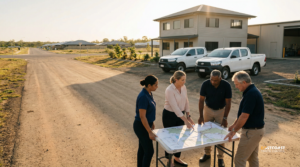
Your traffic management plan starts with site assessment. Where’s your access point? How many vehicles enter daily? What’s the speed limit on the road? Are there schools, hospitals, or busy pedestrian areas nearby?
Once you know that, you can plan your layout. You need clear entry and exit routes. Vehicles should flow in one direction where possible. Parking needs to be off-road or clearly marked. Pedestrian paths must stay open and safe.
Barriers, cones, and signs direct traffic. They’re not decoration. They physically separate your site from public traffic and guide vehicles safely. Signs need to be visible from a distance, especially at night. Barriers need to be sturdy enough to stop a vehicle if something goes wrong.
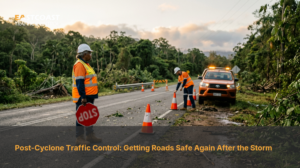
Townsville weather matters too. Wind can blow lightweight signs over. Rain makes surfaces slippery. Your plan should account for seasonal conditions. Traffic control in summer during wet season is different from winter.
If you’re working on roads like those managed during Townsville Gears Up for Fire Season with Hazard Reduction Burn, you’ll coordinate with emergency services and council. That’s extra complexity, but it’s manageable with proper planning.
Common Traffic Control Mistakes Builders Make
We see the same problems repeatedly. Builders underestimate how long setup takes. They assume traffic control is a quick job. It’s not. Proper setup takes hours. If you’re rushing, you cut corners.
Another mistake is not communicating with neighbours and council. You’re changing traffic patterns. People notice. If you don’t tell them, they complain. If you tell them early, you avoid drama. Contact council before work starts. Give them your traffic management plan. Notify affected neighbours.
Builders also forget that traffic control isn’t static. You can’t set it up on day one and leave it. As your site progresses, access routes change. Barriers move. Signs get damaged or dirty. You need someone checking it daily and maintaining it.
Staffing is another gap. You need enough traffic controllers for your site size. One person managing a busy intersection isn’t enough. They get tired, they miss things, and safety drops. Budget for proper coverage.
Finally, builders sometimes hire the cheapest option without checking credentials. A traffic controller needs training, a current licence, and experience. Cheap doesn’t mean good. It often means risky.
Getting Traffic Control Right in Townsville
Proper traffic control is a foundation for any Townsville construction project. It keeps your crew safe, keeps the public safe, and keeps your schedule on track.
Start early. Identify your traffic control needs before you start work. Get a qualified provider involved in your planning. Build time and budget for setup and ongoing management. Check your plan with council. Brief your team on how traffic control works on your site.
For help with workforce planning, safety systems, and project management, find out more about East Coast Traffic Control. We help construction businesses across North Queensland run safer, more organised sites. Contact us today for a traffic management quote and let’s get your Townsville project set up right from day one.